
High Pathogenicity Avian Influenza (HPAI), more commonly known as bird flu, remains a problem for wild and domestic birds. Over 80 bird species in the UK have tested positive for HPAI since the outbreak began in 2021, with seabirds, waterbirds and raptors being most heavily affected.
The virus can be carried around the globe by the movements of wild birds. Movements along migratory flyways can transport the disease many thousands of miles. Some birds can carry the virus without being severely impacted, whereas it is deadly for others. Once the virus reaches an area, it can infect a wide range of other birds, and it can also be present in low levels across the wider countryside in what is known as a ‘reservoir’ – this means the virus has the potential to spread quickly through more vulnerable species if they are exposed to it. Understanding the nature of both local and longer-distance bird movements, and the importance of key environmental features such as freshwater bodies in harbouring the virus, are key to understanding its transmission.
The British Trust for Ornithology (BTO) was heavily involved in the initial emergency response to the outbreak. Since then, BTO has been working with many other organisations to learn more about the impact of the disease and predict future outbreaks. One important action has been collaborating with the Animal and Plant Health Agency to expand the live testing of seabirds for avian flu viruses and antibodies, alongside the Universities of St Andrews, Liverpool and Essex. As part of this work, BTO has also started a satellite-tracking project of Carrion Crows in landscapes with and without livestock, to better understand the interface between wild birds, poultry, other livestock and humans.
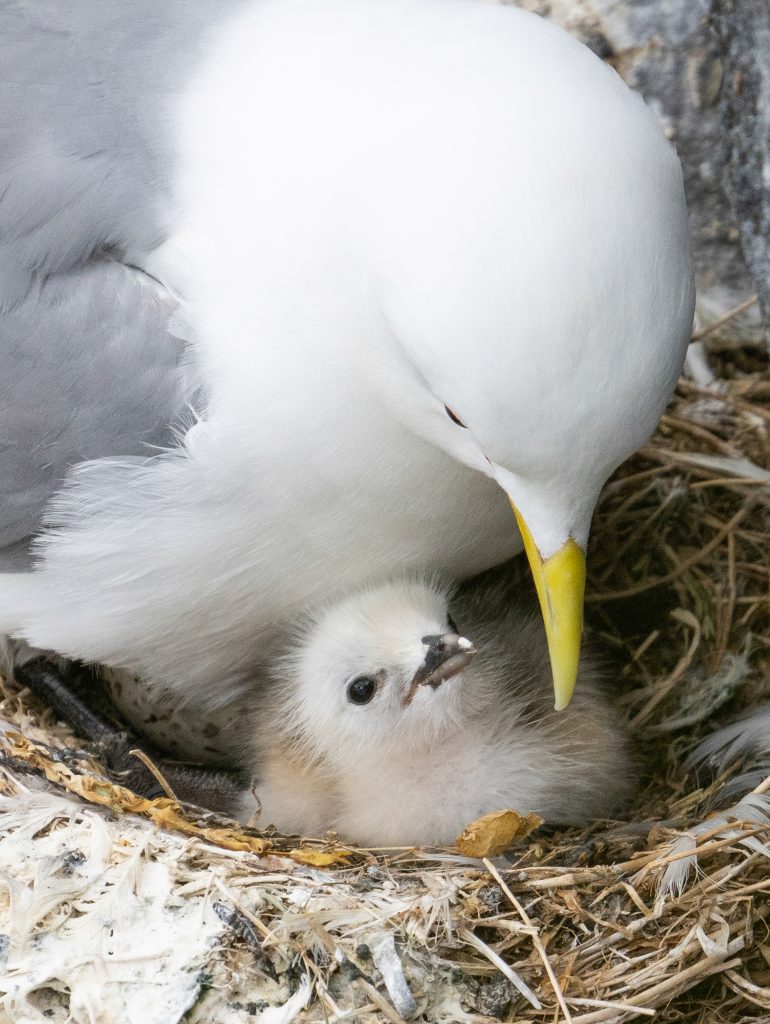
BTO’s network of volunteers have been providing crucial information, too. Thanks to the efforts of birdwatchers using BirdTrack, the locally-based charity has been able to utilise real-time information about sick or dead birds, tracking the location and spread of the disease. This data enabled BTO to identify the outbreak’s move from Black-headed Gulls to Common Terns, and then to Kittiwakes (a genuine ‘seagull’ that only breeds around our coasts) as cases occurred, and inform on-the-ground responses to the virus.
If you find any dead wild birds, do NOT touch them. If you think bird flu might have been the cause of death, search online for ‘report dead bird UK’ and use the government reporting webpage. Several birds have been collected for testing from Thetford, a number of which were found to be positive for avian influenza, so you can play an important part in monitoring the disease and helping to improve our response to it.

Promoted content – Please mention the About Thetford website when responding to advertisements