

Jon Carter from the British Trust for Ornithology explores the importance of butterflies, why many species are in decline, and how simple changes in our gardens can help them thrive.
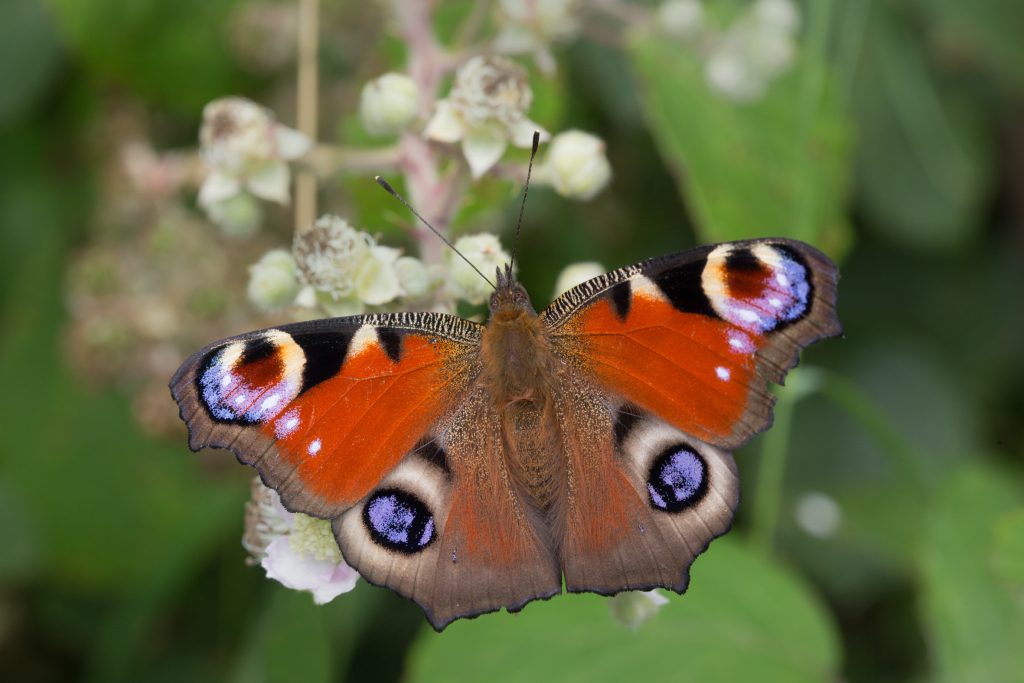
One of the many pleasures of summertime is the sight of dazzling butterflies, flitting through our gardens, along our hedgerows, and around our local parks and green spaces. Here in the UK, there are almost sixty different species of butterfly, ranging from the common, widespread, and familiar, to the ultra-rare and highly localised. In Norfolk we are fortunate to provide a home for well over half of these species, and the county is important for several scarce butterflies such as Swallowtail and Purple Emperor.
Sadly, many of our butterflies are having a tough time across the UK. The charity Butterfly Conservation says that we have lost around 80% of our butterflies since the 1970s.
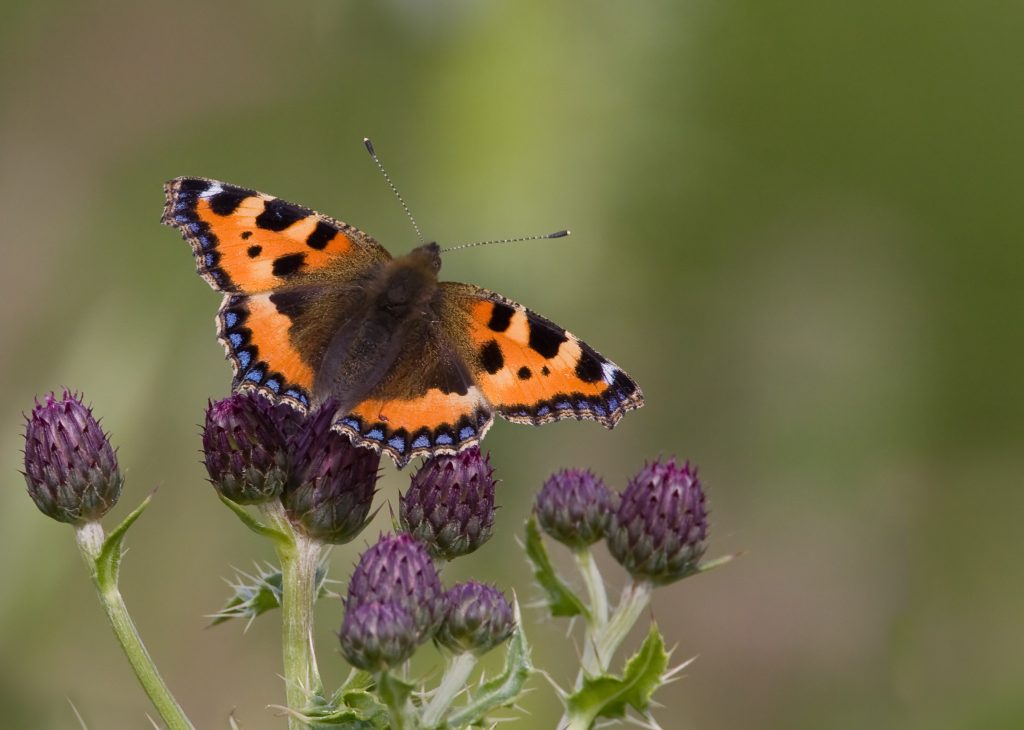
Reasons for the steep declines in many butterfly populations are varied. Changes in the climate are certainly playing their part, and it is thought that the widespread use of neonicotinoids and other harmful pesticides have also played a significant and fatal role in many longer-term decreases.
You may be surprised to learn that the British Trust for Ornithology (BTO), based in Thetford, also gathers butterfly sightings as part of its long-established Garden BirdWatch project. As habitat loss, climate change, pesticide use and shifts in land management practices impact on butterflies in the wider countryside, it is increasingly clear that our gardens and other green spaces can provide an essential home for these attractive and much-loved flying insects.
We can help our beleaguered butterflies by planting a range of wildlife-friendly plants; native wildflowers can provide nectar for the adults, and food for caterpillars. Such popular plants as Primrose, Bluebell, Red Campion, and Lavender will add a welcome splash of colour to any garden while attracting nectar-seeking insects. Fruiting trees such as Wild Cherry, Pear, Rowan, and Crab Apple will also be welcomed. If you have limited space, you could try growing a few fragrant herbs in small pots or hanging baskets; Rosemary, Mint, Sage, Marjoram and Thyme are all appreciated by foraging butterflies.
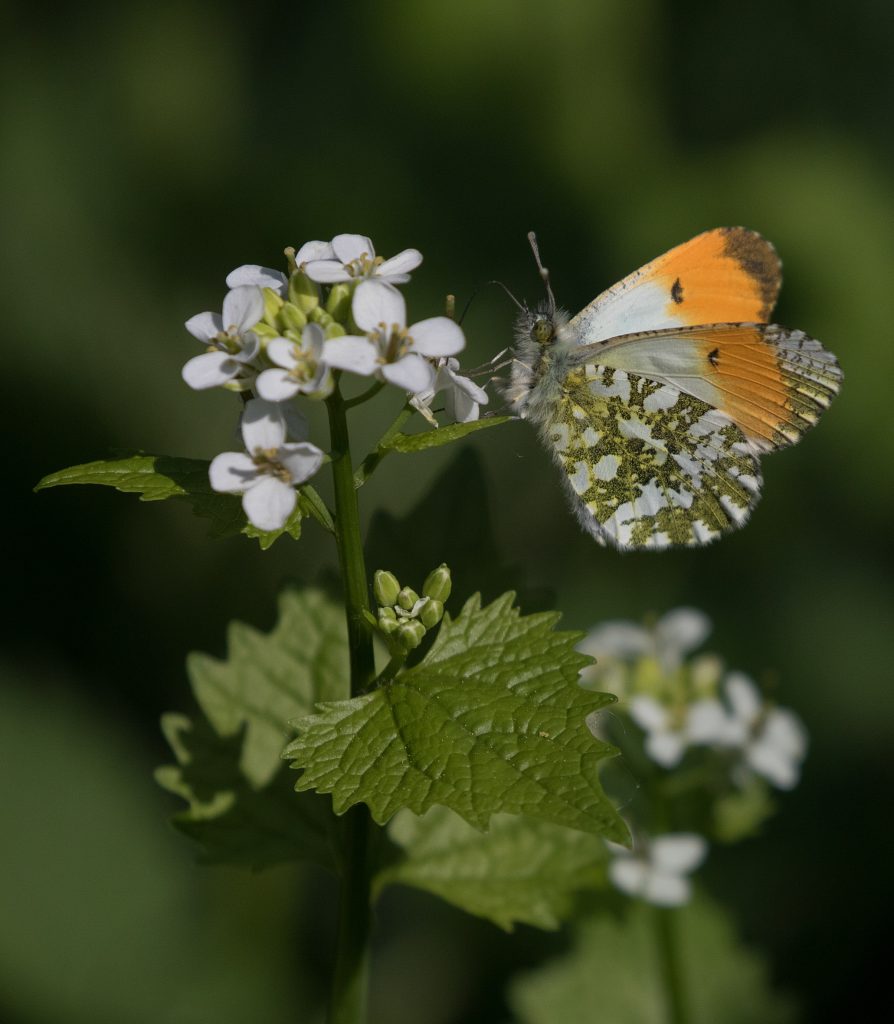
If you are not much of a gardener, or don’t have time to spend creating a nature-friendly haven, you can always leave some areas to go a little wild. And don’t worry about letting some Ivy and Nettles grow, as these will be welcomed by a number of delightful butterfly species such as Red Admiral, Comma and Holly Blue.
And, of course, you can help us keep an eye on how our butterflies, and other garden wildlife is faring, by taking part in BTO’s Garden BirdWatch project. Visit www.bto.org/gbw to find out more.
Jon Carter, BTO


