
Kidney disease is one of the most common health problems in older cats and dogs.
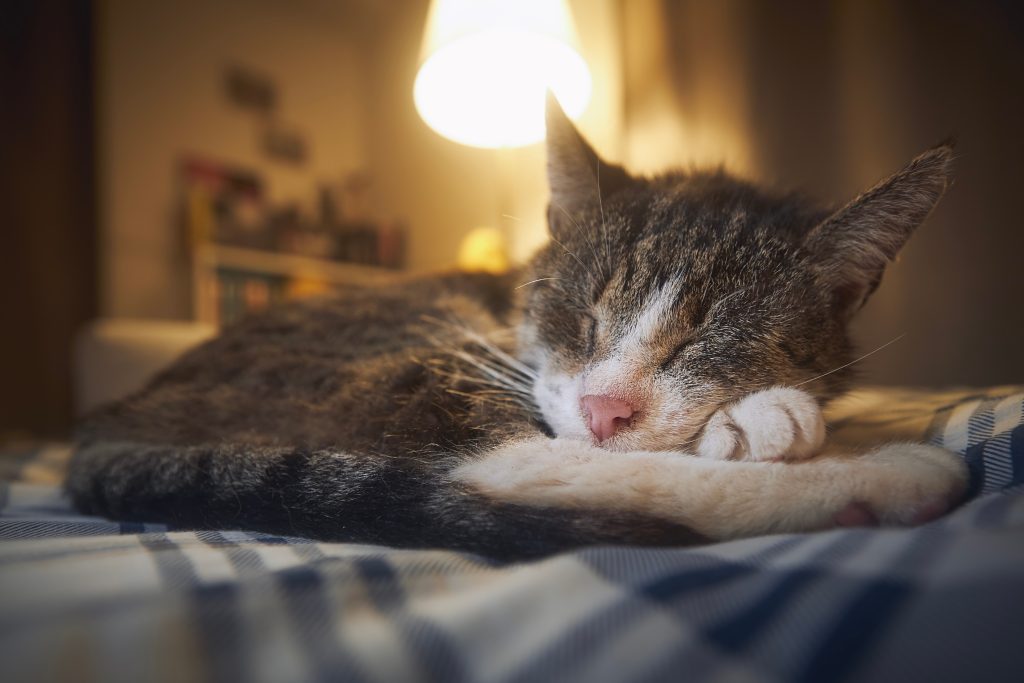
As pets get older, their kidneys lose the ability to function properly, such as filtering waste from the bloodstream, maintaining hydration and regulating blood pressure.
Don’t ignore the ‘tail-tale’ signs of kidney trouble:
- Drinking more
- Urinating more
- Weight loss
- Poor coat condition
- Poor appetite or being fussy with food
Unfortunately, by the time these symptoms appear, the kidneys have already lost about 70% of their total function. This is why I am so passionate about blood pressure monitoring – it’s one of the best ways to spot the silent signs before they become symptoms.
Hypertension often arrives silently, putting immense pressure on the kidneys. By monitoring these levels early, I can provide your vet with the data needed to intervene, potentially slowing the progression of kidney disease and keeping your pet healthier for longer.
Why blood pressure monitoring works better in the home environment
At the veterinary clinic, many pets experience ‘white coat syndrome’, where stress from a noisy car journey, a busy waiting room and a clinical setting can cause their blood pressure to spike temporarily. This gives an unreliable reading, as it’s unknown whether it is truly high or due to stress.
At home, your pet is much more relaxed in their familiar surroundings. Stress levels are lower, allowing for a much more accurate reading.
I am not a vet and cannot diagnose medical conditions. I provide low-stress blood pressure monitoring screening for your pets, for your vet to analyse for diagnosis and treatment.
If you spot any of the signs of kidney disease in your pet, please contact your vet to receive prompt diagnosis and treatment.
Kate Springham RVN
The Pawtable Veterinary Nurse