
Following the article in the August issue about the spread of bird flu across the UK, cases have been rising again across Norfolk, and are predicted to continue rising this coming winter. This includes a worrying outbreak in overwintering Whooper Swans in the Fens, with a growing number of sick and dead birds being reported in recent weeks.
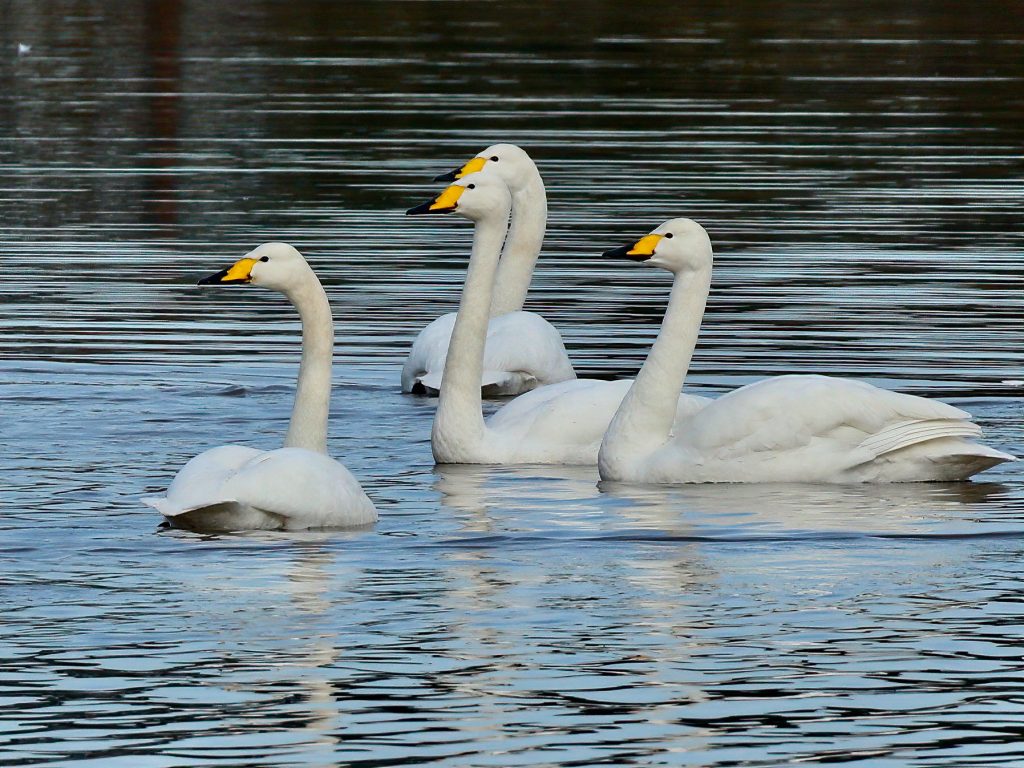
Scientists from BTO and other conservation organisations warn that as the virus continues to circulate among wild birds, it poses a serious danger to many resident and migratory species. Tracking the virus, and understanding which species are affected, is a crucial part of managing this continuing threat to birds.
BTO has been central to monitoring the outbreak. Working with the RSPB, DEFRA and the Animal and Plant Health Agency, BTO is collecting data on wild bird deaths to track the spread of the disease. Using tools such as BirdTrack and the European Bird Flu Radar, they can identify hotspots and assess which species are most at risk.
Local residents like you can play a vital role in spotting signs of the disease, and even help to prevent it from spreading. Simple actions can make a real difference. If you spot sick birds, particularly swans, geese, ducks, or gulls, do not touch them, but please report them immediately to DEFRA, either via the government webpage (found by searching ‘report dead bird UK’) or by calling 03459 33 55 77. This helps authorities respond quickly and test for suspected bird flu cases. Additionally, you can provide valuable data to help scientists understand how the virus is spreading and which species are affected by recording your bird sightings and any mortalities you find in the free BirdTrack app.
If you feed garden birds, please clean your feeders regularly, and move them around if you can. Changing the location of your feeders helps to avoid crowded feeding areas, which can accelerate infection rates of not just bird flu, but also other common avian diseases, such as Trichomonosis. Encouraging fellow bird-lovers, friends and family to stay alert and report any unusual local bird deaths or behaviour is also another good way to monitor the outbreak.
Bird flu has already caused significant declines in some seabird and gull populations across the UK. Around Thetford, your vigilance could help monitor key habitats like Nunnery Lakes, Thompson Water, and Thetford Forest, which are refuges for wintering and migratory birds.
By staying alert, reporting cases and supporting BTO and other conservation charities, you can contribute to tracking and limiting the spread of bird flu.
Jenny Donelan, BTO