

The West Norfolk Aviation Society welcomed back John Blakeley for the third part of his fascinating talk on military bases in the Arctic. Part one had covered the origins of the bases during World War Two, and part two followed their evolution through the Cold War. Part three turned to more recent developments, presented through two modern films.
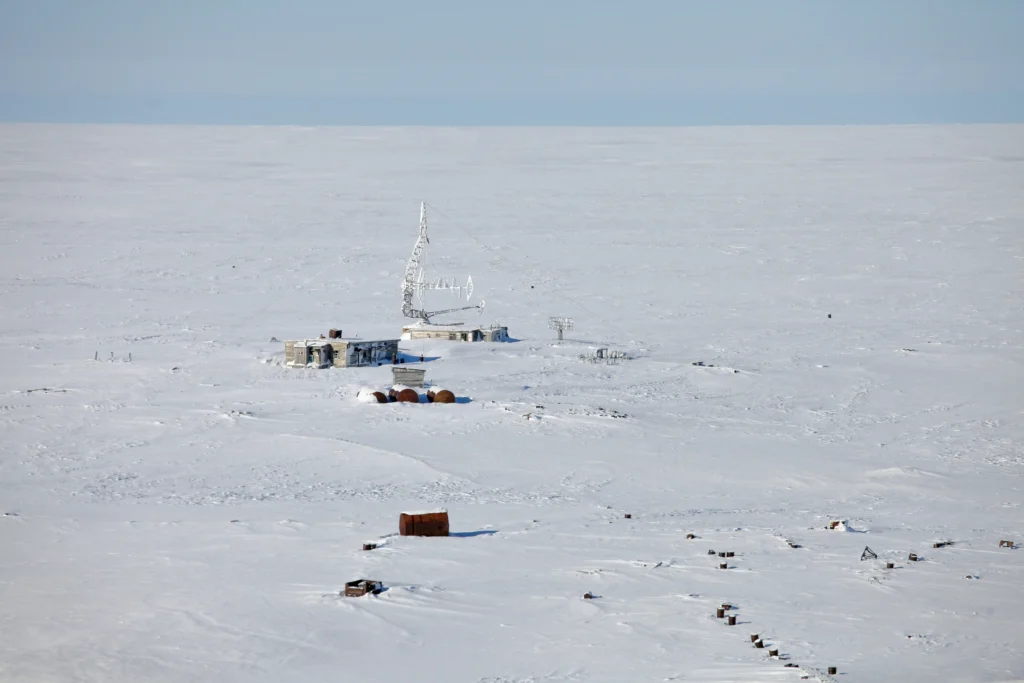
The first, made in France, followed the positioning of a floating nuclear power plant in a remote Arctic location. A specially selected local family were interviewed, praising the abundance of clean energy now available on their doorstep compared to the limited output of the old coal-fired station it replaced. While their access to unlimited electricity was certainly an improvement, they did express concern at having a nuclear plant—marketed as “unsinkable”—moored in their harbour. It was a revealing film, with the French journalists granted surprisingly good, if carefully managed, access.
The second film followed a NATO combined operations force undergoing troop training in the Arctic wilderness, simulating defence against Norwegian troops standing in as Russian aggressors. The exercise aimed to test the viability of a Quick Reaction Force in deeply inhospitable terrain and involved French (non-NATO) troops. It highlighted just how demanding operations in Arctic conditions can be—and just how much more prepared native troops often are.
If this sounds like your kind of evening, why not join the West Norfolk Aviation Society? Meetings take place on the first Tuesday of every month at Mundford Bowls Club from 7pm to 9.30pm. A warm welcome awaits, with tea, biscuits and snacks provided. Check the website for topics and away day updates.