

Rita Thompson from Cats Protection shares practical tips to help make vet visits less stressful—for both you and your cat. With a few simple changes, the journey to the clinic can be calmer and more manageable.
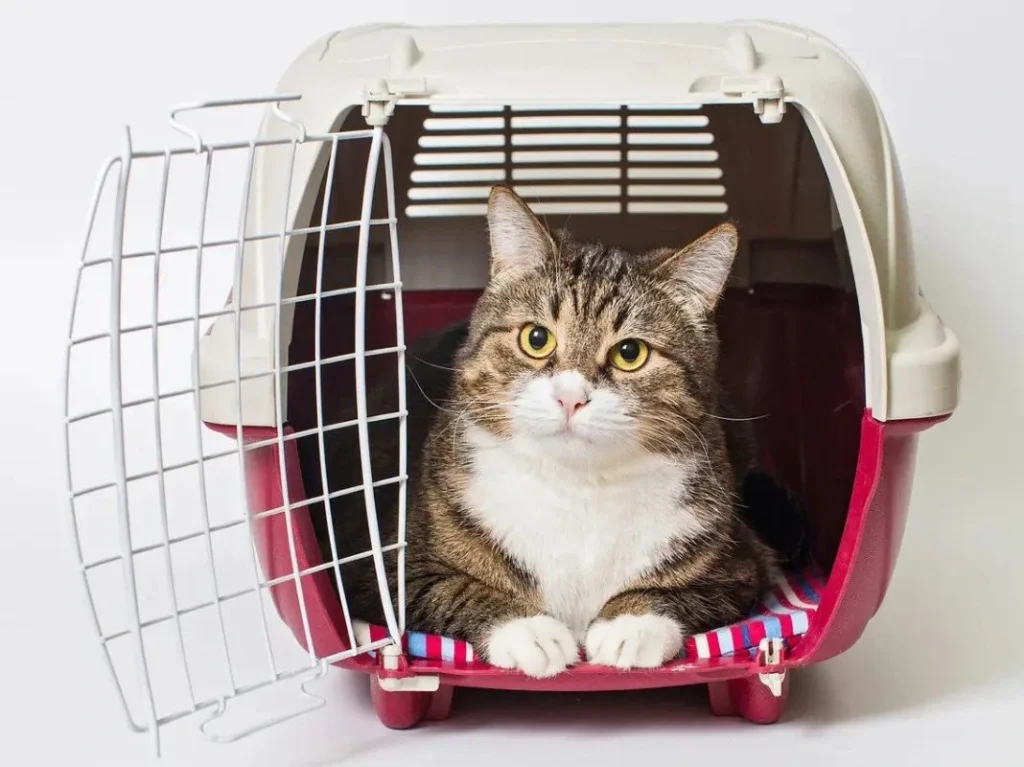
Vet visits are an essential part of maintaining your cat’s health, but many people find taking their cat to the vet a daunting experience. According to the Cats Report 2024, 26% of owners find it so stressful that they don’t visit the vets as often as they’d prefer. A cat’s dislike for the vet is understandable—cats are creatures of habit and can become easily stressed by unfamiliar environments, and a trip to the vet combines several of those at once.
It’s worth remembering that cats are sensitive to their owner’s emotions. If you’re anxious about a vet visit, your cat can pick up on this and start to become stressed, sensing that something is about to happen. Try to act as normally as possible and set yourselves up for a more positive experience by preparing for the trip ahead of time.
One good step is to remove the fear of the carrier. Leave it out in your home with the door open so your cat can explore it at their own pace. Place treats, toys or bedding inside to make it a comfortable space rather than a signal of an impending trip. On the day of the visit, covering the carrier with a towel can help reduce stimuli and block out unfamiliar sights, creating a dark, quiet environment that feels more secure.
To avoid vomiting or accidents in the carrier, limit your cat’s food intake for a couple of hours before the journey. If they do have an accident, a blanket or towel inside the carrier can help soak up any mess—take a spare so you can swap it for the trip home. During the journey, speak to your cat in a soothing voice and avoid sudden movements that might startle them.
In the waiting room, try to avoid the added stress of barking dogs by choosing a vet with separate waiting areas for cats and dogs, or call reception and ask to wait outside or in the car until your appointment. Once inside the consulting room, don’t rush to remove your cat from the carrier. Wait until you’ve explained the reason for your visit and answered any questions. When your vet is ready, open the carrier and allow your cat to come out in their own time. Top-opening carriers are ideal, as they allow for easier handling if needed and may even let the vet examine your cat while they stay inside.
By understanding the reasons behind your cat’s stress and following these tips, you can help make vet visits a more manageable and positive experience for both of you.
For help or advice, or if you need assistance with the cost of neutering, call 01842 810018.
Rita Thompson.