

This month, Thetford Academy Principal Michael Fordham looks a big talking point in national news: the decision to give 16-year-olds the vote.
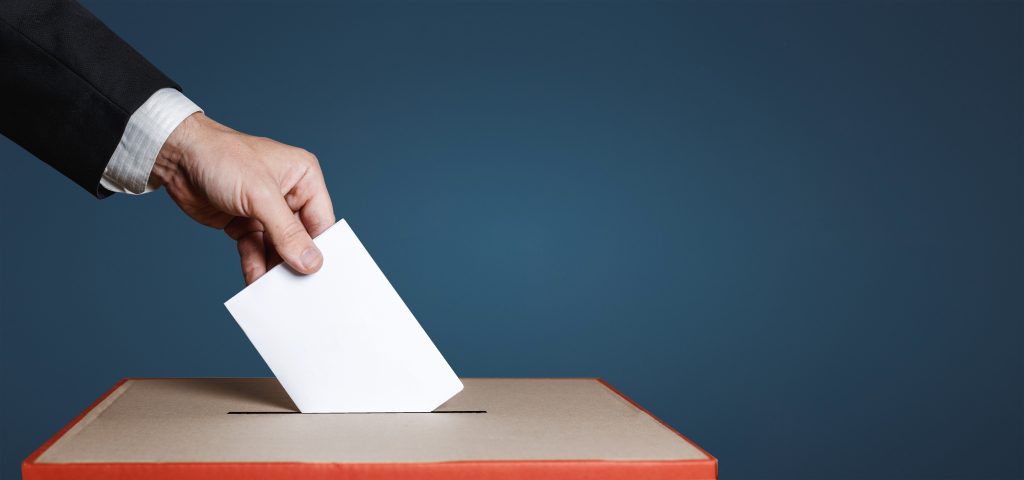
As a history teacher I try to take the long view, and the recent announcement that 16-year-olds will be able to vote in the next election feels like the kind of thing that might appear in history textbooks in a century’s time. But is it a good idea?
I won’t share my own personal view with you, because I’m supposed to be politically neutral. But I can offer some thoughts on the arguments being made on both sides of the debate.
There are a lot of comments along the lines of: “16-year-olds are not mature enough to vote.” The fact of the matter is, I can think of plenty of 20-year-olds who might fit into that category. Conversely, I know 12 and 13-year-olds in my school who would take the responsibility very seriously.
A feature of our democracy is that maturity, or even a basic understanding of national policies, is not a requirement. You don’t have to turn up to the polling station with an A Level Politics certificate. Voting is, rather, a fundamental right of being a citizen, regardless of how seriously you take it.
I have more time for arguments about consistency. In many areas, we’ve recently raised the age of certain responsibilities to bring them in line with the legal definition of adulthood at 18, and this is a rare example of the government moving something in the other direction.
Perhaps what this does do is remind us that, for many years, politics has been targeted at older generations. It’s easy to patronise young people and pay lip service to their views, but maybe now we’ll see politicians take this a bit more seriously.
So here’s my suggestion: go and speak to some teenagers about politics. Ask them what they think, argue with them about the issues, and take seriously what they have to say. It’s those debates and discussions that are the basis of our democracy.
Promoted content – Please mention the About Thetford website when responding to advertisements


