

Kate Springham RVN of The Pawtable Veterinary Nurse shares practical advice on brushing, safe chewing options and warning signs of dental disease.
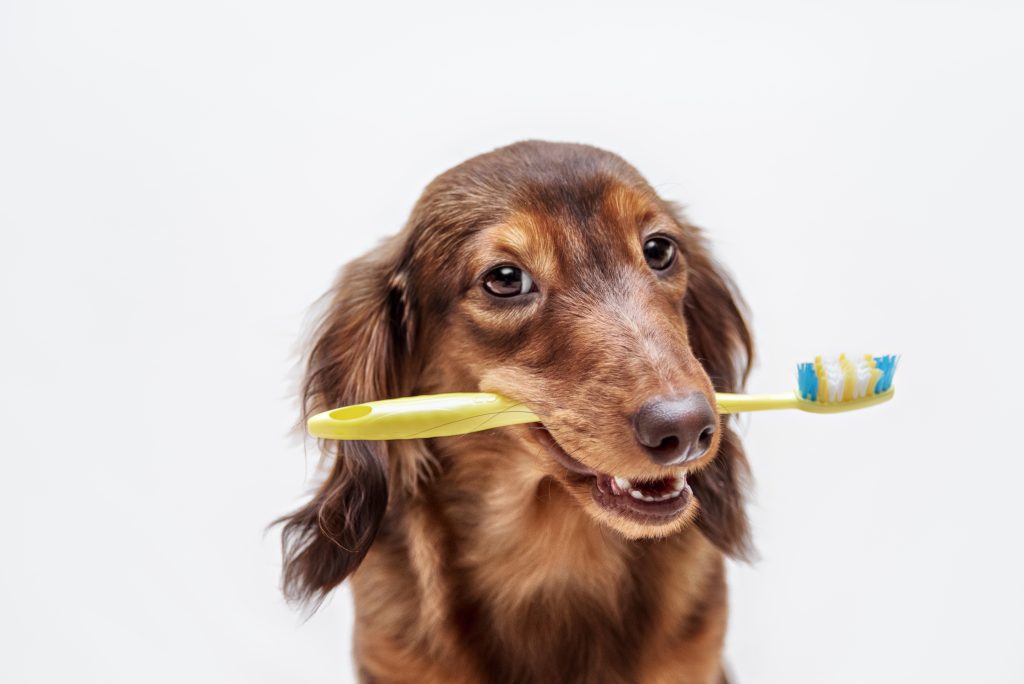
February is National Pet Dental Health Month, the perfect time to peek at your pet’s pearly whites. As a Registered Veterinary Nurse, I often find dental health is the most overlooked area of pet care — yet it is vital for their overall health and wellbeing.
By age three, most dogs and cats show signs of dental disease. Pets are masters at hiding pain; they often continue to eat even with significant toothache. Keep an eye out for red, swollen gums, tartar, drooling, persistent bad breath or your pet pawing at their mouth.
Tips for a Sparkling Smile:
Daily Brushing: This is the “gold standard.” Always use pet-specific toothpaste (human versions are toxic!). Start slowly by letting them lick the paste, then gradually introduce a soft brush.
Safe Chewing: Opt for rubber dental toys or dental treats with the Veterinary Oral Health Council (VOHC) seal of approval.
The Bones Myth: It’s a common misconception that bones are good for teeth. In reality, bones are incredibly brittle. They frequently cause painful tooth fractures, splinter to cause internal injuries, or become stuck in the digestive tract. As a general rule of thumb, when selecting something to chew, if you can indent it with your nail it’s fine, if not it’s too hard for your pet’s teeth.
Clinical Care at Home
Left untreated, dental bacteria can enter the bloodstream, potentially affecting the heart and kidneys. As part of my mobile services in Thetford, I offer Dental Health Assessments in your own home. I can check for tartar and other signs of dental disease, demonstrate brushing techniques, and advise if a professional veterinary scale and polish is required. Message me for more information.
A healthy mouth means a happier, longer life. Let’s get those teeth sparkling this February.
Kate Springham RVN
The Pawtable Veterinary Nurse
Kate@thepawtablevn.co.uk


