
Michael Fordham, Principal at Thetford Academy, responds to a reader’s question about whether children today take too many tests.
“I have heard that children these days take too many tests. Is this true?”
This is a very interesting question, and the answer depends on what you mean by ‘tests’.
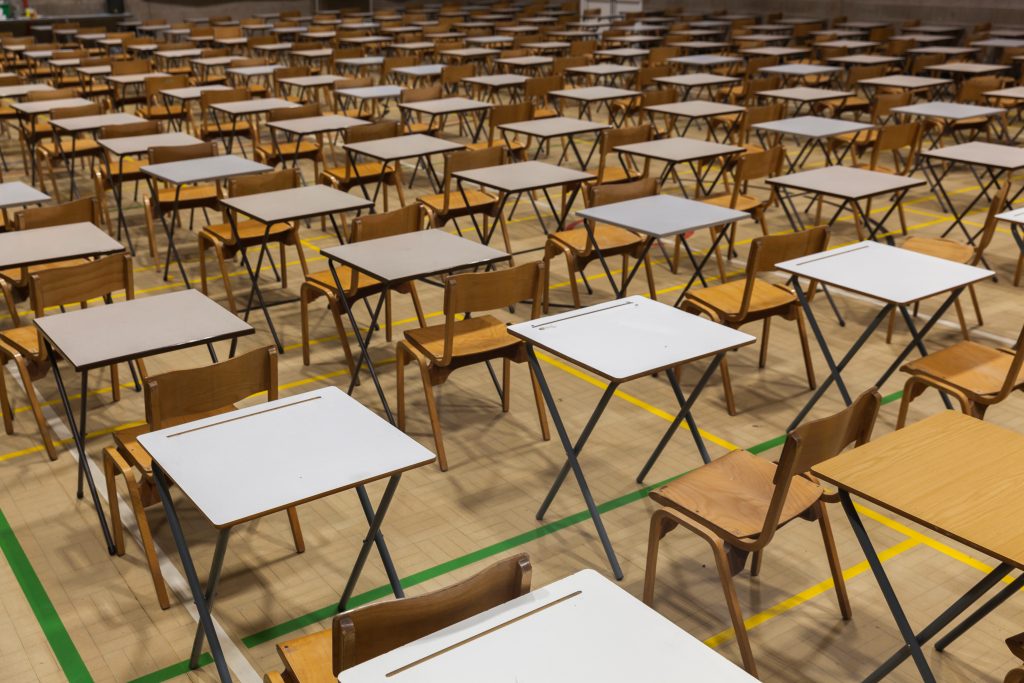
If we mean sitting formal exams, then we are actually in a better position than we were a decade ago. We used to have Year 9 SATs and a more ‘modular’ approach to GCSE and A-levels, which meant students would sit and re-sit papers multiple times. In practice, this meant students were taking formal external exams for five consecutive years, with January re-takes thrown in during Year 11 and Year 13.
This has now changed. For a few years, almost all exams have taken place at the end of Year 11 and the end of Year 13. There is a separate argument as to whether this is a good thing – some people argue that students benefit from having the chance to re-take an exam multiple times – but students are certainly sitting fewer formal exams now than they were when I started teaching twenty years ago.
If we use a looser definition of ‘test’, then it is true that students are tested regularly. However, there is a good reason for this. We know that regular testing helps us remember things and we have to recall information regularly in order to retain it. These kinds of tests should be ‘low stakes’, meaning there are no serious consequences for doing badly.
Most teachers will make regular use of low-stakes testing in lessons, such as short quizzes or simply asking questions.
Formal exams have reduced, but regular classroom testing remains a key part of effective learning
If you would like to submit a question, please send it to: michaelfordham@inspirationtrust.org
Michael Fordham