

Rita Thompson from Breckland Cats Protection reminds owners to keep cats hydrated with clean water, not milk, and shares tips for spotting dehydration and encouraging drinking.
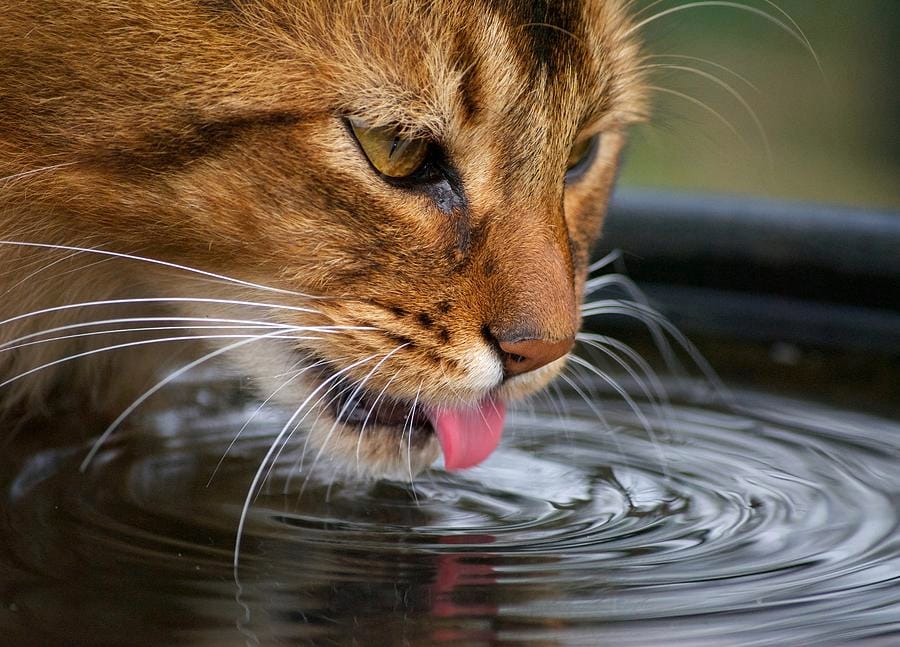
Cats need fresh, clean and cool drinking water to keep them hydrated and healthy. Water is necessary for good circulation, digestion and bowel movements. Although cats don’t drink large amounts, hydration is vital for their survival.
It’s important to remember that milk, cream or any other liquid is no substitute for water in a cat’s diet. In fact, many cats are lactose intolerant, which means they have difficulty digesting dairy products. Drinking milk could make them unwell.
Cats drink water in a fascinating way. They extend the tip of their tongue to the water’s surface, curling it backwards so only the top touches the liquid. Then, they retract their tongue at speeds of nearly 80cm per second, bringing water with it. The water molecules stick to the tongue and each other, forming a column that reaches their mouth. Cats catch the top of this column without getting their chin wet. They can only lap up a small amount of water each time, but as they can lap at an impressive rate of four laps per second, it is an efficient and neat way to quench their thirst.
The amount of water cats need to drink varies depending on their age and weight. Kittens up to 3 months old (weighing 1.4kg) need 70ml a day. Six-month-old kittens (weighing 2.7kg) need 135ml a day. Medium cats weighing 4kg need 200ml a day, and large cats weighing 6kg need 300ml a day.
Signs of dehydration include lethargy, panting, refusal to eat, sunken eyes and dry or sticky gums. Excessive drinking (also known as polydipsia) can indicate health problems like diabetes, kidney disease or hyperthyroidism, leading to increased urination. If your cat drinks more than usual, consult your vet to rule out serious conditions.
Tips to encourage your cat to drink more include: refilling their water bowl daily, placing bowls throughout the house, trying a different water bowl, trying a water fountain, and keeping water and litter trays separate. Separate the food bowl too. Switch to wet food and add some flavour such as tuna juice (from tuna packed in water, not oil) or chicken broth, which will make the water more enticing. Just make sure the flavouring doesn’t include too much salt, as this is unhealthy for your cat.
For help or advice, or if you need assistance with the cost of neutering, please call us on 01842 810018.
Rita Thompson
Breckland Cats Protection

Promoted content – Please mention the About Thetford website when responding to advertisements


