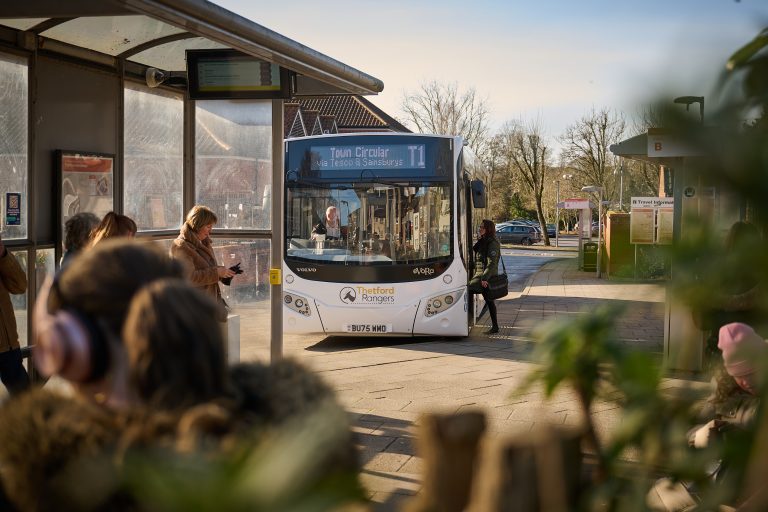

The British Trust for Ornithology celebrates Thetford’s Gold win in Anglia in Bloom, and shares how greener spaces benefit not just wildlife but people too.
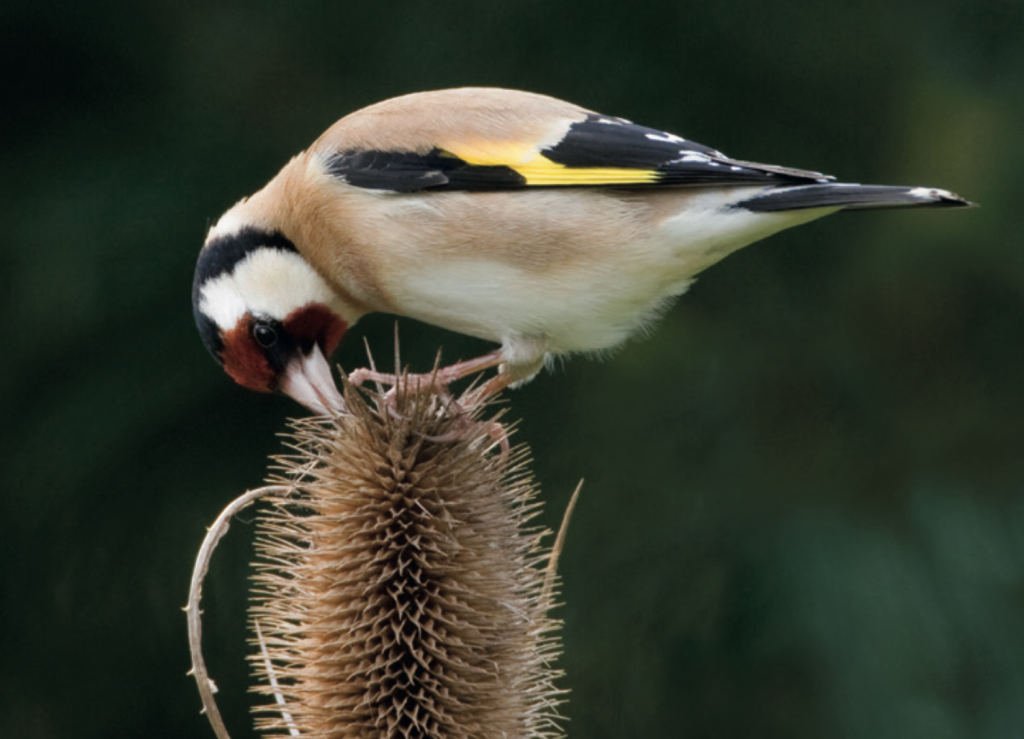
European Goldfinch. Image: ©Liz Cutting
At BTO, we were delighted to hear about Thetford’s Gold award in the Large Town category of the 2025 Anglia in Bloom competition. Thetford has some beautiful floral displays and green areas around town, including revitalised urban spaces like the new pocket park behind the Guildhall. All this colour and greenery certainly gives a sense of pride in the town, but there’s more to it than that. Research, including by BTO’s Chair of Trustees, Prof Zoe Davies, shows the health benefits of regular contact with greenery and nature. And of course, urban green spaces are also vital havens for wildlife, including birds.
At the BTO’s headquarters, just south of Nuns’ Bridges, we are fortunate to have extensive grounds. Before the pandemic, the area was regularly mown, but the first covid lockdown in 2020 saw us rethink this approach. We have now adopted a modified regime, leaving some areas longer. This has created a wildflower meadow that hums with insect life in summer, and was recognised in its own right in last year’s Anglia in Bloom competition.
Thetford Town Council has taken similar steps in green areas around town. While some people may see these spaces as untidy, they are a vital food source for birds. Seed-eating species such as Goldfinches feed on wildflowers left to set seed. Invertebrates shelter in undisturbed vegetation, providing food both for migratory birds like Swallows and House Martins and for resident species like Robins, which need extra calories as the days shorten and nights grow colder.
You can help at home too. Gardens can look beautiful year round when planted with wildlife in mind. Late-blooming plants such as ivy provide nectar for insects in autumn, and berries in winter for birds. Native species are best, as they support more wildlife, and avoiding pesticides makes a big difference.
For further tips on wildlife gardening, and to ensure your green spaces are blooming marvellous for humans, birds and other creatures, scan the QR code opposite:
Viola Ross-Smith
British Trust for Ornithology

Promoted content – Please mention the About Thetford website when responding to advertisements