

Rita Thompson from Breckland Cats Protection shares advice for new adopters, explaining how patience and a little preparation can help rescued cats settle happily into their new homes.
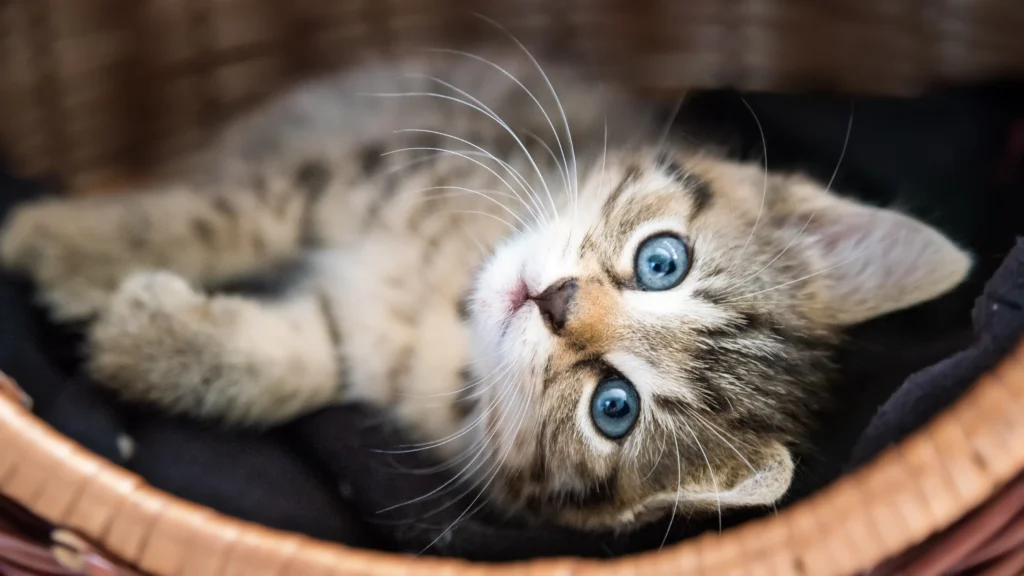
Providing kittens are well socialised, they adapt well to new surroundings. When kittens are homed from foster care to new adopters, within a few days they have settled in, as if they have always been there.
For adult cats, it’s a different situation altogether. They may have come into our care for various reasons – an elderly owner can no longer look after them, they were found abandoned on the streets, or their loving owners have had a change in circumstances.
Their world has changed and they don’t understand why. It can take a while for them to settle with us. They may not eat, drink or use the litter tray for several days, and often need to visit the vet before they can be put up for rehoming. Adult cats require blood tests for FIV/FeLV (a requirement for all cats and kittens coming into our care), start their vaccination programme, be microchipped, and receive flea and worm treatment. It’s a lot for an adult cat to process. Some adapt quickly, but others need plenty of time to get used to their fosterer and new surroundings.
New adopters need to be patient, and we always explain that. The cat may need a quiet, escape-proof room to start with. This should include separate food and water bowls, at least one litter tray, somewhere to hide such as a cardboard box, access to a high spot where they can view their surroundings, a comfortable sleeping area (ideally more than one), a scratching post, a few toys, and enough space for them to play.
Some cats may not have had much contact with people or may have had bad experiences in the past. Not all cats will become lap cats, so patience is essential.
Introducing your new cat to the outdoors
Adult cats should be kept indoors for at least three weeks. When it’s time to explore the garden, choose a sunny day, go outside with them, and keep the door open so they can return quickly if nervous. It’s a good idea to take them out just before a meal, so they are more likely to return after a short while. Gradually extend their outdoor time and stay with them until you are sure they know how to find their way home.
Never leave a newly adopted cat outside alone. A cat flap will give them the option of coming and going freely, once they are confident.
It’s recommended that cats are kept indoors at night, when the risk of road accidents is higher and their hunting activity increases. Cat flaps with locks are useful to keep them safely indoors at night and to prevent stray cats entering.
Rita Thompson