

Rita Thompson from Breckland Cats Protection shares the remarkable story of a cat saved by transfusions, and why pet insurance and feline blood donors are vital for emergencies.
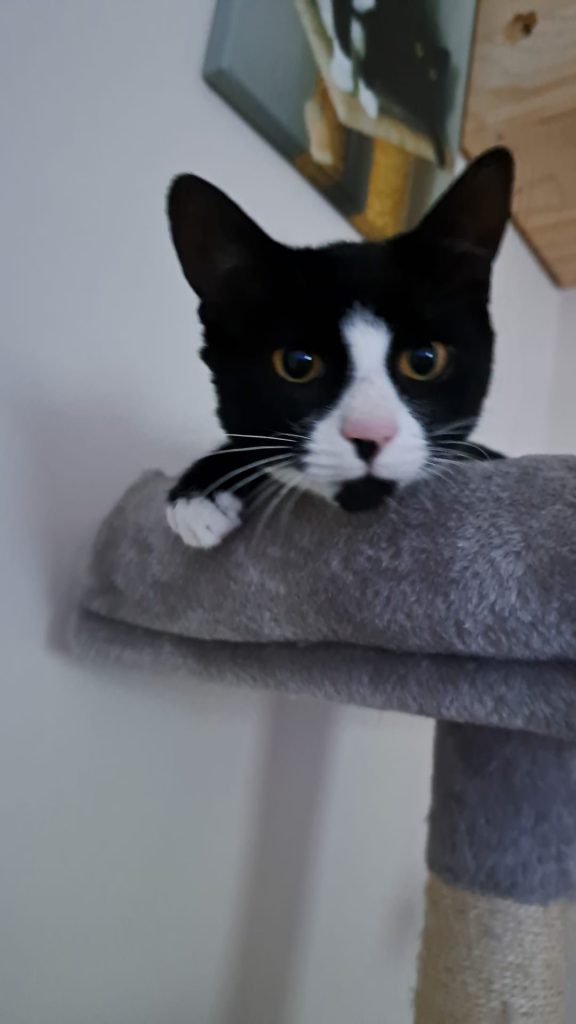
I recently had a call from a lady who adopted a kitten from us just over a year ago. The kitten, now 16 months old, had suddenly become critically ill. After noticing she was lethargic and off her food, her owner took her to the vet. She was immediately referred to Dick White Referrals, a specialist clinic near Newmarket.
When she arrived, the vets described her as “not compatible with life”. She was severely anaemic — her Packed Cell Volume (PCV), which measures the percentage of red blood cells, was just 4%, compared to the normal 30%. The diagnosis was Auto Immune Haemolytic Anaemia, meaning her immune system was destroying her own red blood cells as well as any from transfusions.
The cat was immediately given a blood transfusion, initially using blood from a donor dog to stabilise her. However, dog blood can only be used once, as cats can develop antibodies against it. She later received blood from the owner’s other cat and started on a course of corticosteroids to stop her immune system attacking her red cells.
Thankfully, the treatment worked. Within a few days, she was strong enough to return home. Her owner had kept up her Pet Plan insurance, which covered most of the costs — an important reminder of how vital insurance can be. The total bill was around £6,000, with the owner paying only the £80 excess.
Cats can be blood donors too, provided they meet certain criteria: under eight years old, over 4kg, fully vaccinated, and in good health. They must also be calm enough to lie still while blood is taken. Around 55ml can be donated every four months, and the donor’s blood must be the same group as the recipient (cats have groups A, B and AB).
The cat in this case was Group A.
However, her treatment is ongoing and costly, with monthly medication estimated at around £300. There are ways to reduce costs through pet prescription services, but drugs must still be prescribed by a vet.
Stories like this remind us why pet insurance — and awareness of feline blood donation — can make all the difference.
Rita Thompson
Cats Protection – Breckland Branch


