
Changes in a pet’s behaviour are often dismissed as a normal part of getting older, but veterinary professionals say they can sometimes be signs of arthritis, writes Kate Springham RVN.
We often mistake a pet’s “slowing down” as a natural part of aging. Many times I have heard an owner say ‘he’s just old’ or ‘she’s just being lazy’. In reality, it often indicates the onset of arthritis. Because our pets are masters of disguise, they don’t always limp; instead, they show their discomfort through subtle changes in behaviour.
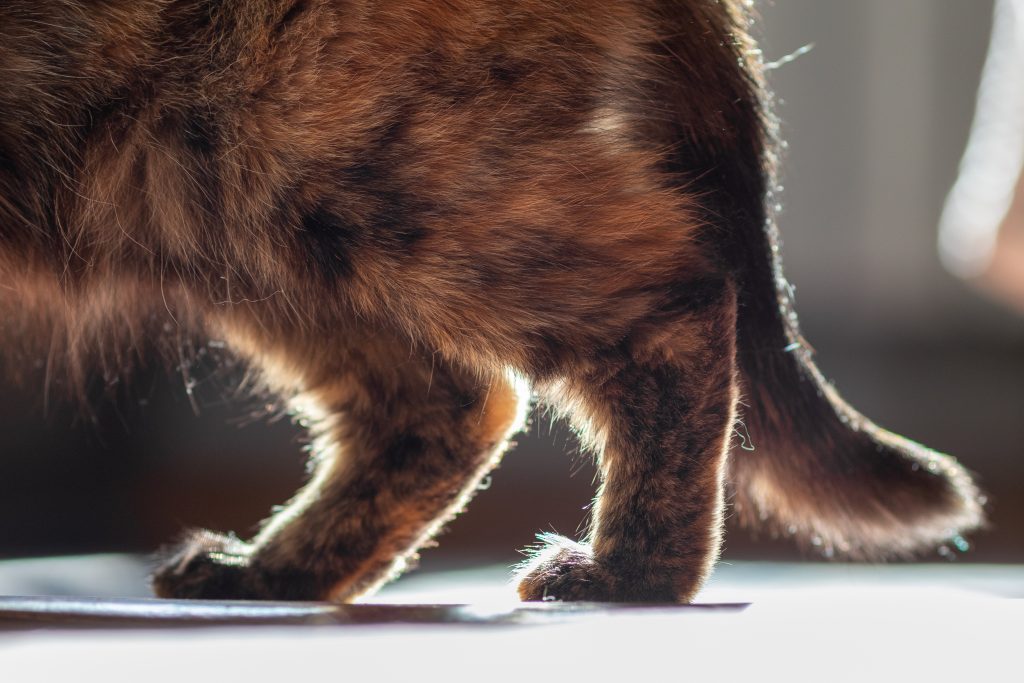
For dogs it could be: reluctance to jump into the car, lagging behind on walks, or difficulty getting up after a nap. Cats may have stopped jumping onto the kitchen counters, started having accidents outside the litter tray, have matted fur or overgrown nails.
As a Registered Veterinary Nurse, I provide a bridge between your home and the vet clinic. While I cannot diagnose or prescribe, I offer a professional mobility & comfort assessment in the environment where your pet is most relaxed—your living room! This helps your Vet make an accurate diagnosis and get your pet on the right treatment plan.
Managing arthritis is about more than just medication; it’s about a holistic approach. I can assist you with: home modifications to increase your pet’s comfort and pet’s quality of life. Medication assistance – Whether it’s giving a pill to a tricky cat or administering pain relief injections, I’m here to take the stress out of treatment.
Weight Management – Keeping their weight down helps to take the pressure off their joints and will help to relieve their pain. I am also available to answer any questions or concerns you have regarding your pets’ arthritis.
Don’t let your best friend suffer in silence. A simple mobility check can be the first step toward a more active, comfortable life.
Let’s keep those tails wagging and paws moving!
Kate Springham RVN
The Pawtable Veterinary Nurse